Discovering Armenia
The morning of my birthday, July 12, 2013, began on the road to Garni. Seven of us hopped on the bus heading that way, and the journey began. I have to say, that was the only transport we actually paid for over the entire 9 days! Out of the seven of us, only two were Armenian; the rest were people from different countries who wanted to see as much of Armenia as possible before they had to head home.
We reached the Garni Temple and stayed for a long time. They weren’t average tourists who just take a quick picture, look around, and leave. They were genuinely deeply interested in our culture, our temples, our churches, and the raw energy surrounding them.
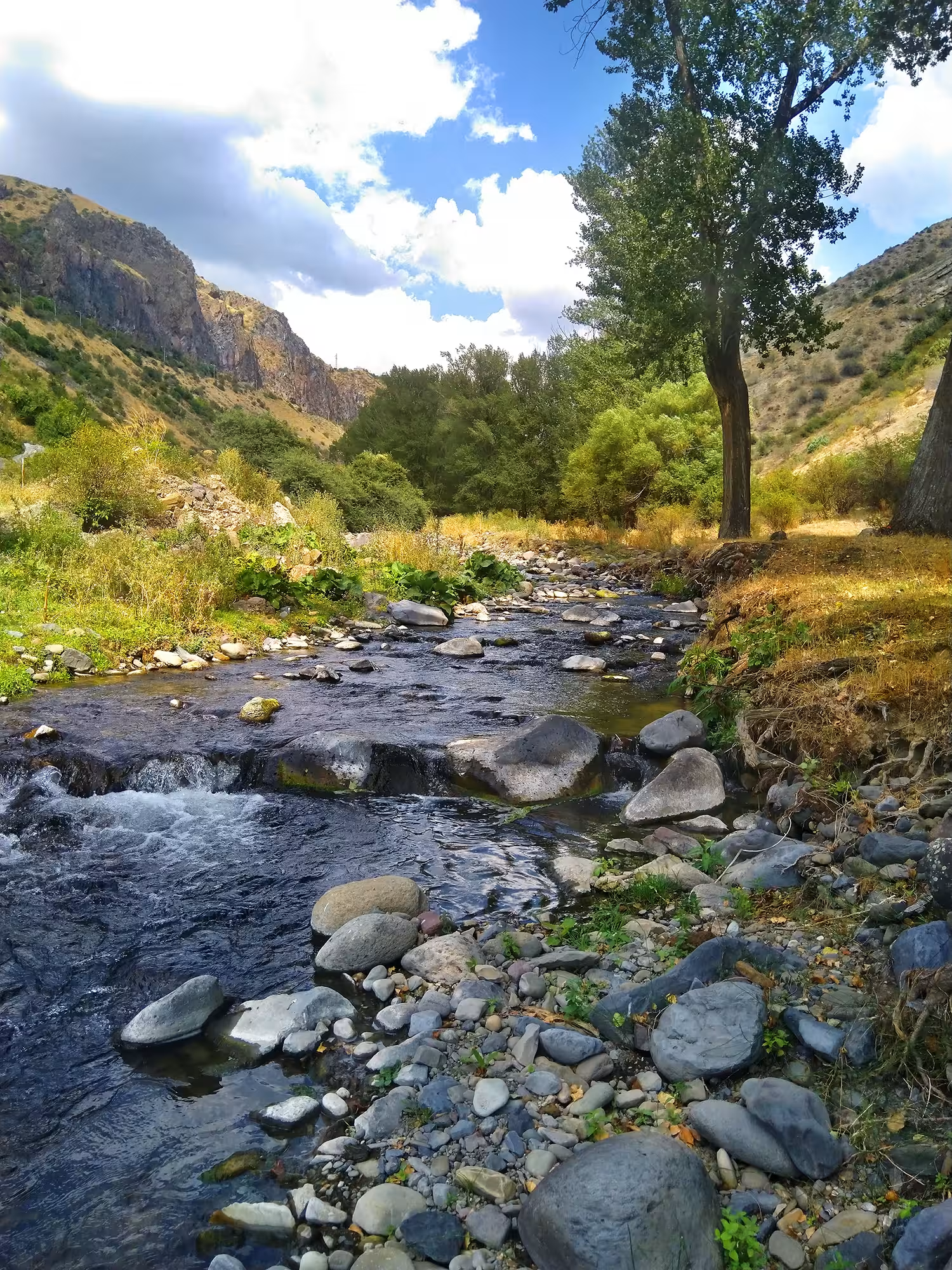
By evening, we hiked down into the Azat Gorge. We found a little clearing by the riverbanks, surrounded by trees and completely cut off from the rest of the world. You can even swim in the river there-it’s a fantastic spot to spend the night. We built a campfire and camped out right there. We were a bit cautious because it was peak season for blunt-nosed vipers, and they come out to hunt at night. We definitely had no desire to disturb any of them!
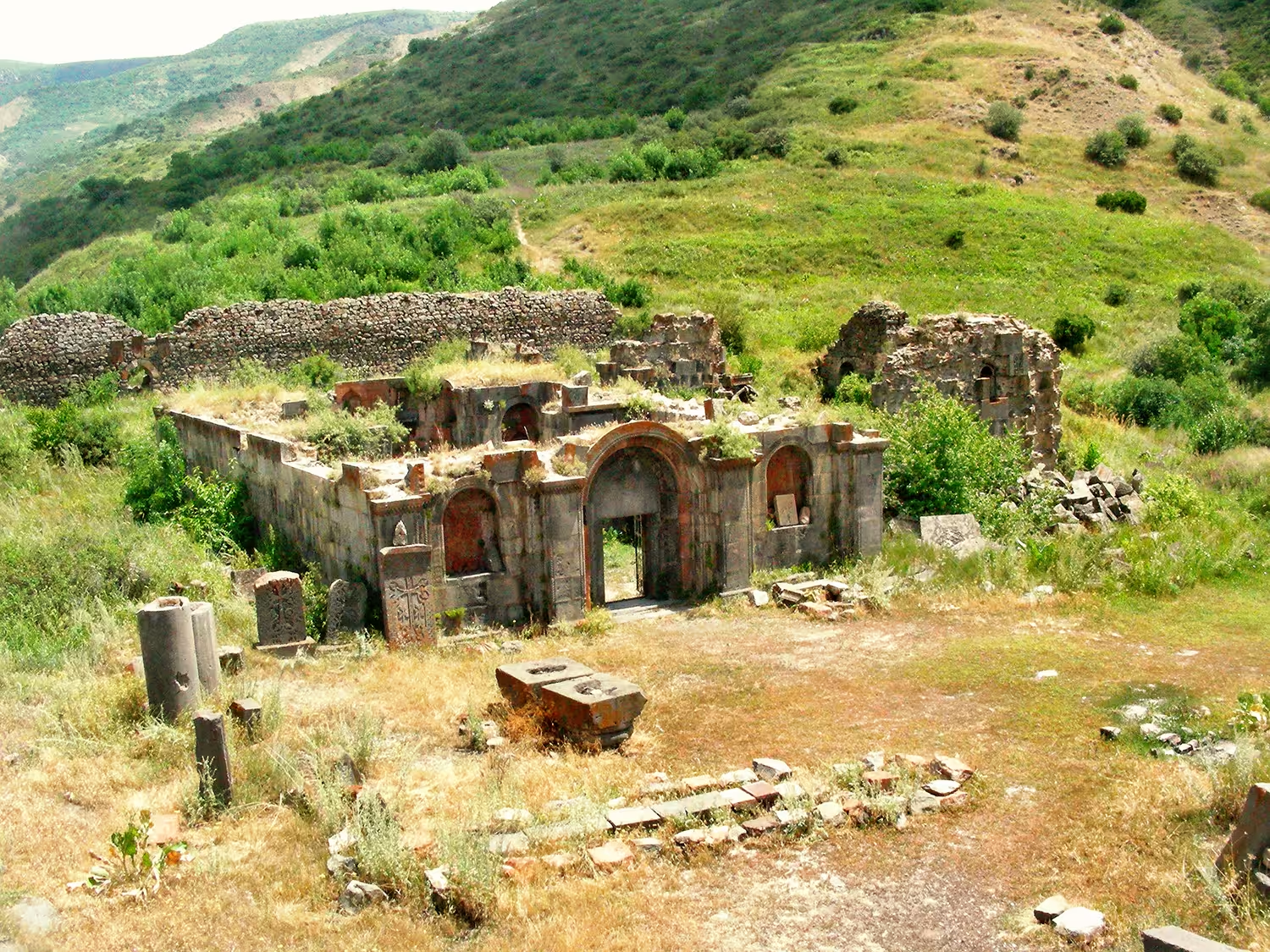
After breakfast the next morning, a few of us decided to hike up to the Havuts Tar monastic complex, located right in the Khosrov Forest State Reserve. It was sitting right above us, but taking the main road meant backtracking quite a bit, so we decided to just scramble straight up the steep slope. We left our gear at the bottom and hit the trail.
It was a pretty tough climb-loose gravel and dirt, plus we had to keep our eyes peeled for snakes along the way. For every step forward, we’d slide two steps back. The little plants and shrubs along the path were our only helpers, letting us pull ourselves up step by step. We hadn’t even brought water, and under the unforgiving July sun, we climbed all the way to the top.
But when we got there, we realized it was worth every ounce of effort. The half-ruined monastery held so much beauty and such incredible architecture that we just couldn’t get enough-wandering through the different rooms, or just sitting there, completely blending into the atmosphere.
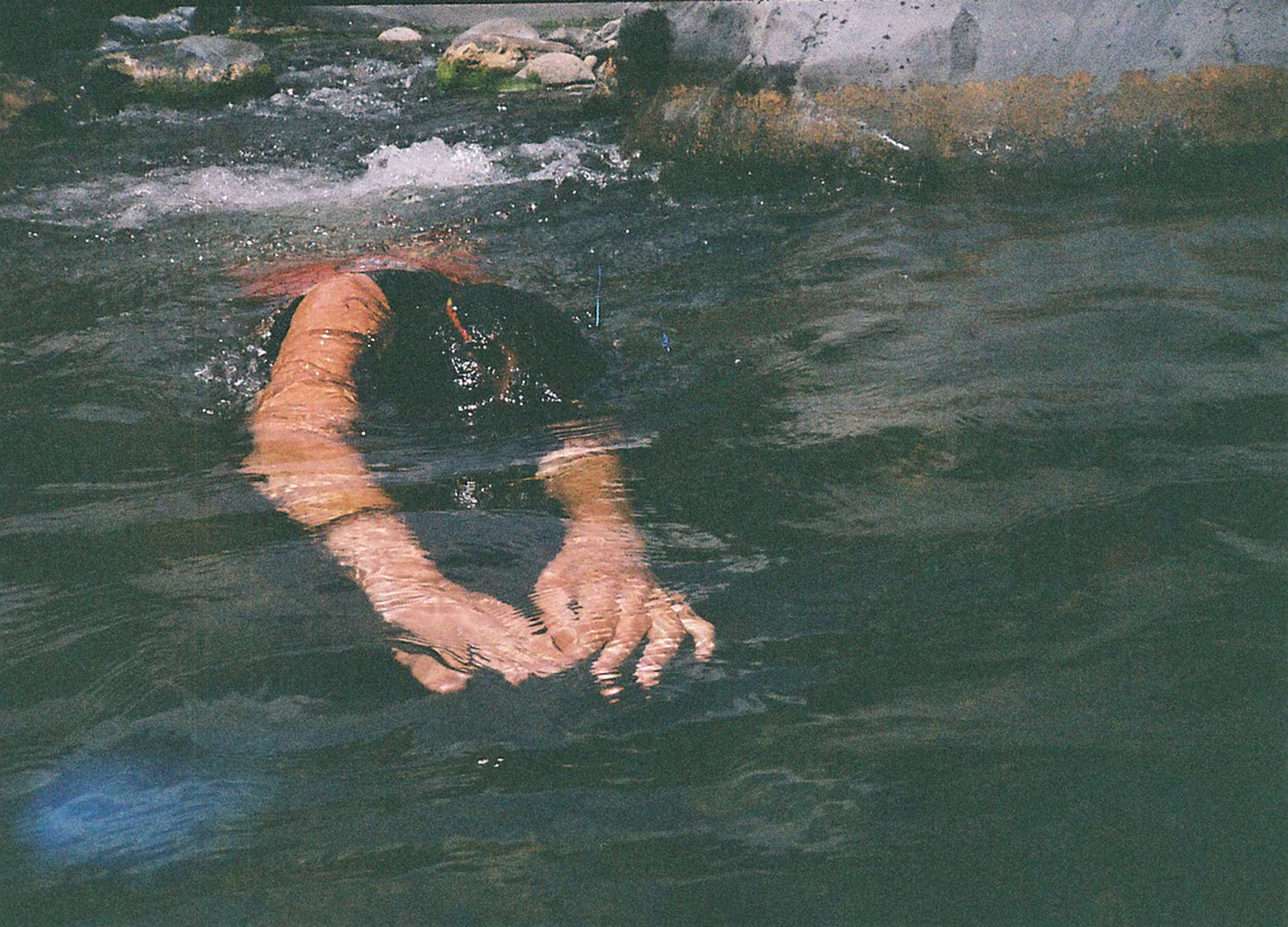
We climbed back down the same way and immediately jumped into the river-the absolute best way to wash off the heat and dust. Oh, how I love the cold river of Garni! I was so completely merged with the water that a little fish swam up and started nibbling at my foot. I thought my foot was in its way, so I moved it, but it came right back and kind of nudged me again. It was so sweet!
After that, we packed up and kept moving toward Geghard. We followed the riverbed until we hit the main road, where a few passing cars gave us a ride to the monastery. We walked part of the way, too, just admiring the caves carved into the cliffs of the Geghard gorge. It was already dark by the time we reached the church.
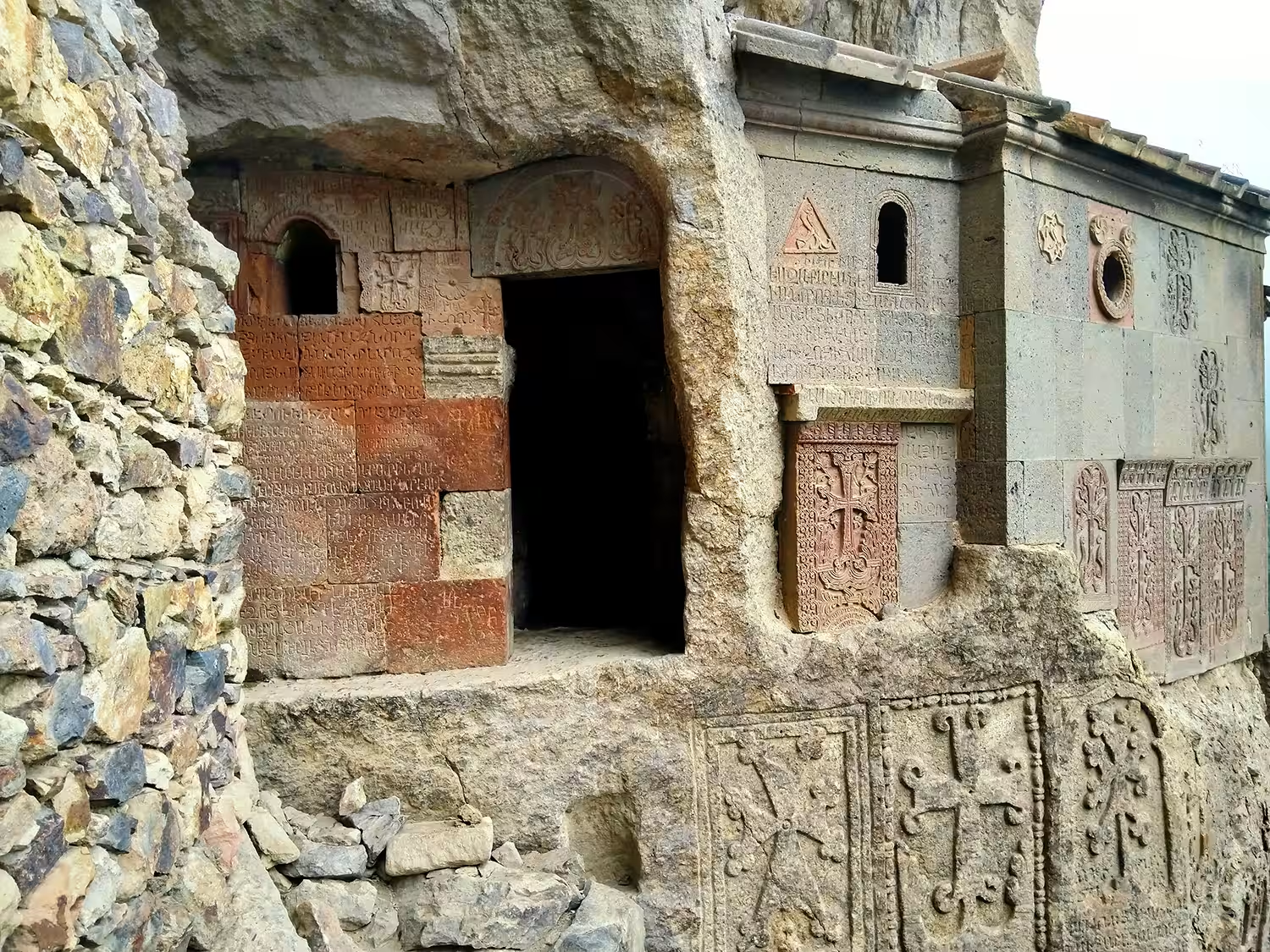
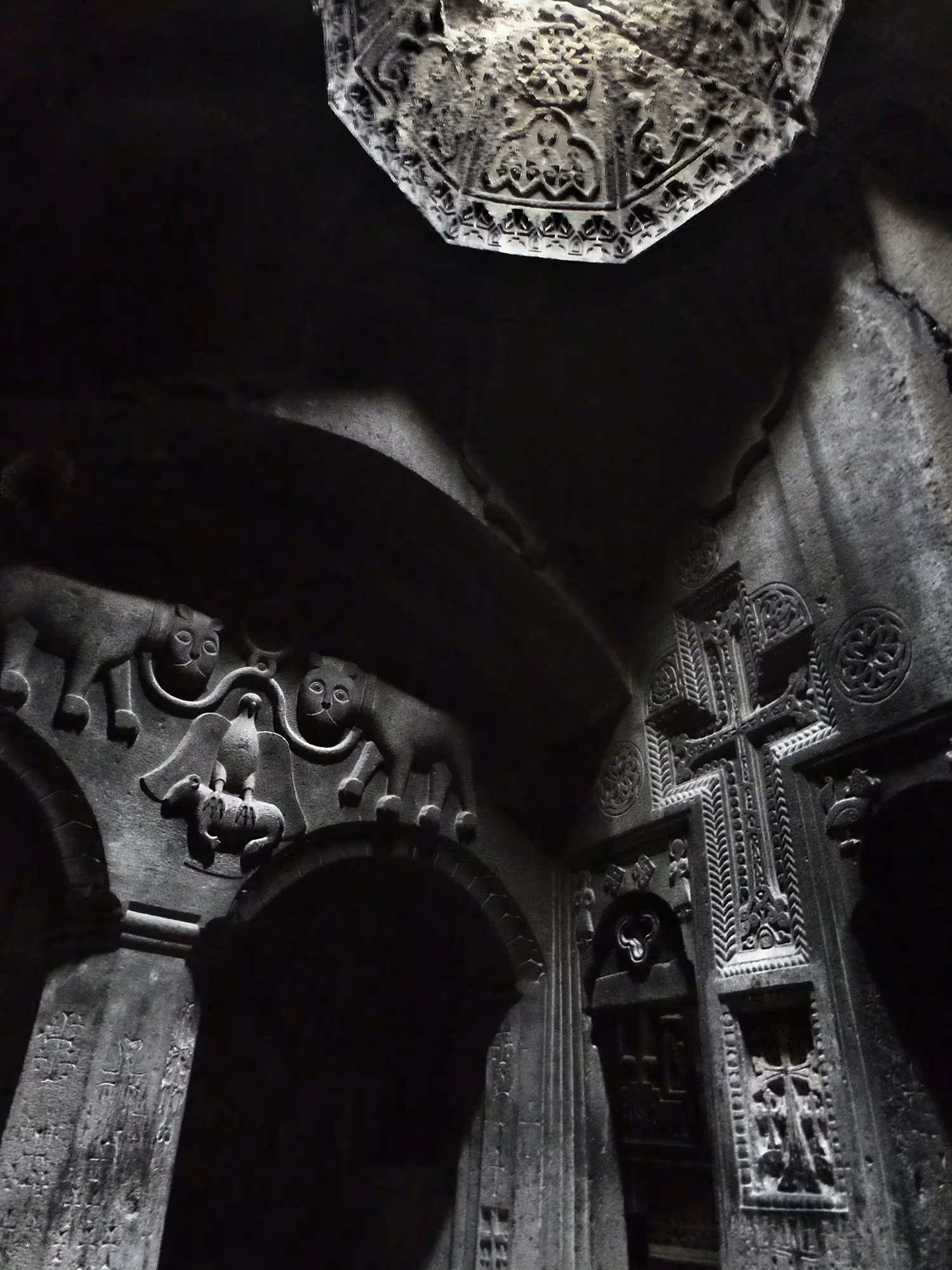
The clergy kindly offered us a spot in the churchyard to pitch our tents, but a few of us decided to spend the night inside a cave instead. I had a tent, but no sleeping bag, and I refused my friends’ offer to take theirs. I wanted to test myself-to sleep right on the stone floor of the cave without any extra layers. It was such a fascinating night in that cave where monks used to live. It transports you to the past; you get a tiny, visceral glimpse into their daily lives.
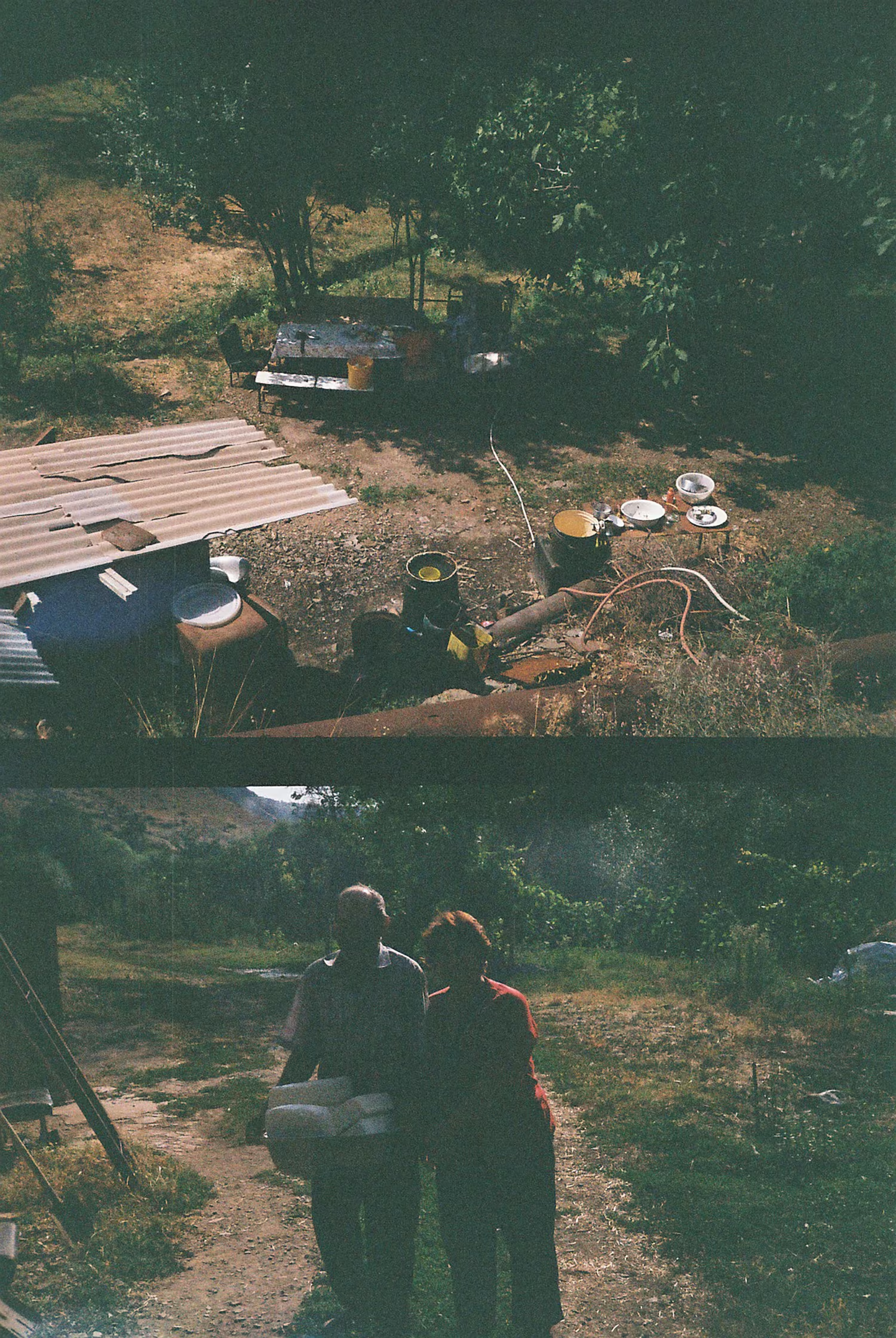
In the morning, we stayed for the Sunday liturgy at the church, and then headed out towards the Yeranos mountains. Only two of us made the trek to Yeranos; the others thought it would be too difficult for them. I swapped my tent for a friend’s sleeping bag, and we set off tent-less. We hitchhiked to Garni and started moving through the Azat Gorge toward the mountains and the Azat Reservoir. Halfway there, just as it was getting dark, we reached a small house where a local couple, Albik and Nelly, welcomed us into their garden. They fed us, and we had a wonderful time in their company. We even got to see how they make mulberry doshab (syrup). I absolutely love connecting with the locals; I learn so much from them about the land.
The next morning, we continued our trek, trying to find a mineral spring we had heard stories about. We waded across the river and found a different spring with white, round stones and water that had an interesting taste. But since we were looking for carbonated “sour water,” we knew this wasn’t it. We crossed the river a few more times and got a bit lost, until we finally found the spring we were looking for.
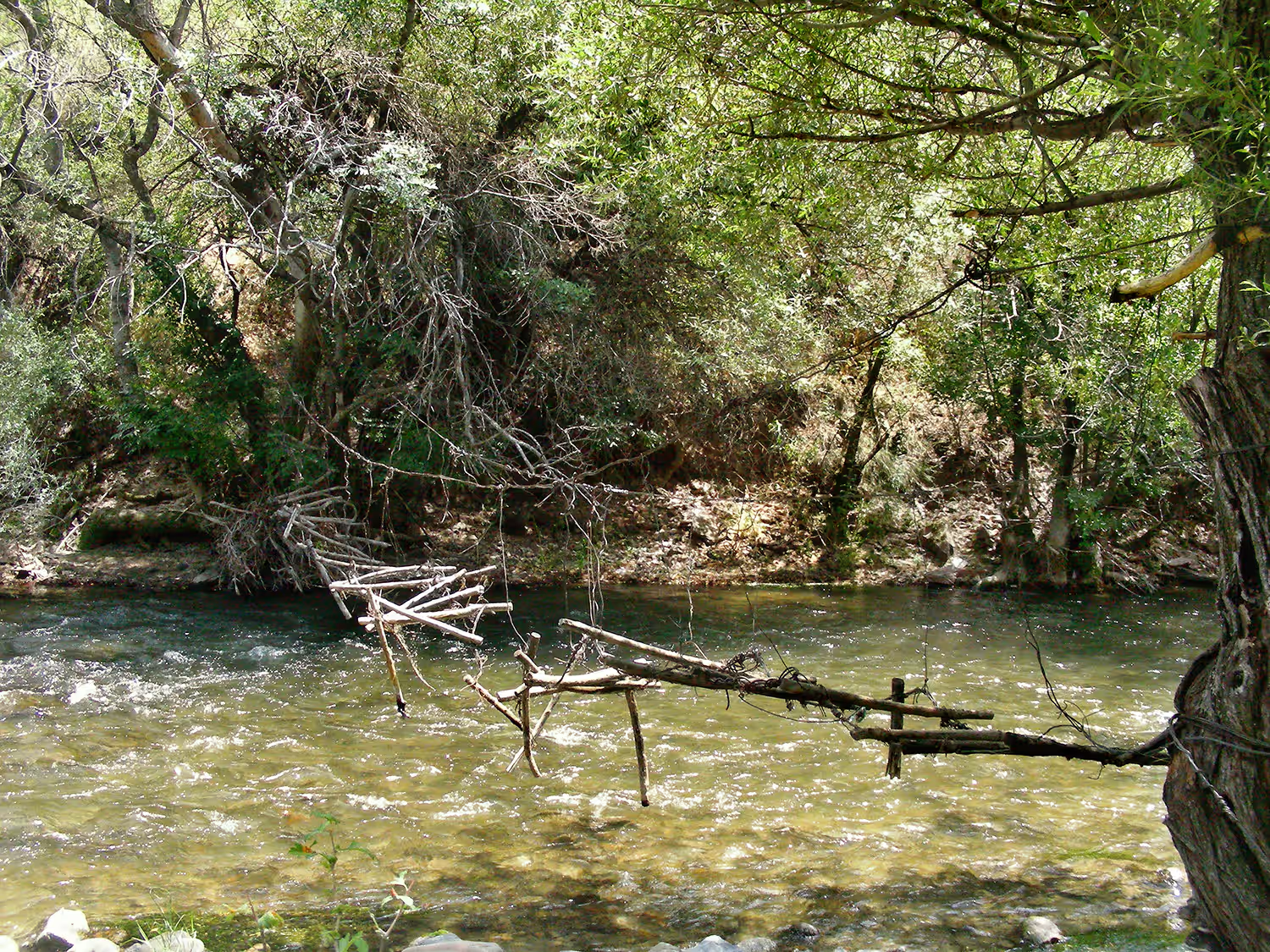
I was walking in front as we hiked up. We were almost there when, just a little above me under an arch-shaped rock, I saw the very thick tail of a viper. Now, I love snakes, but seeing such a massive, deadly snake took me by surprise. I didn’t make any sudden movements. I froze, warned my companion that there was a snake ahead, slowly backed away, and waited. The snake, naturally sensing my presence, agreed to a mutual truce, and we went our separate ways!
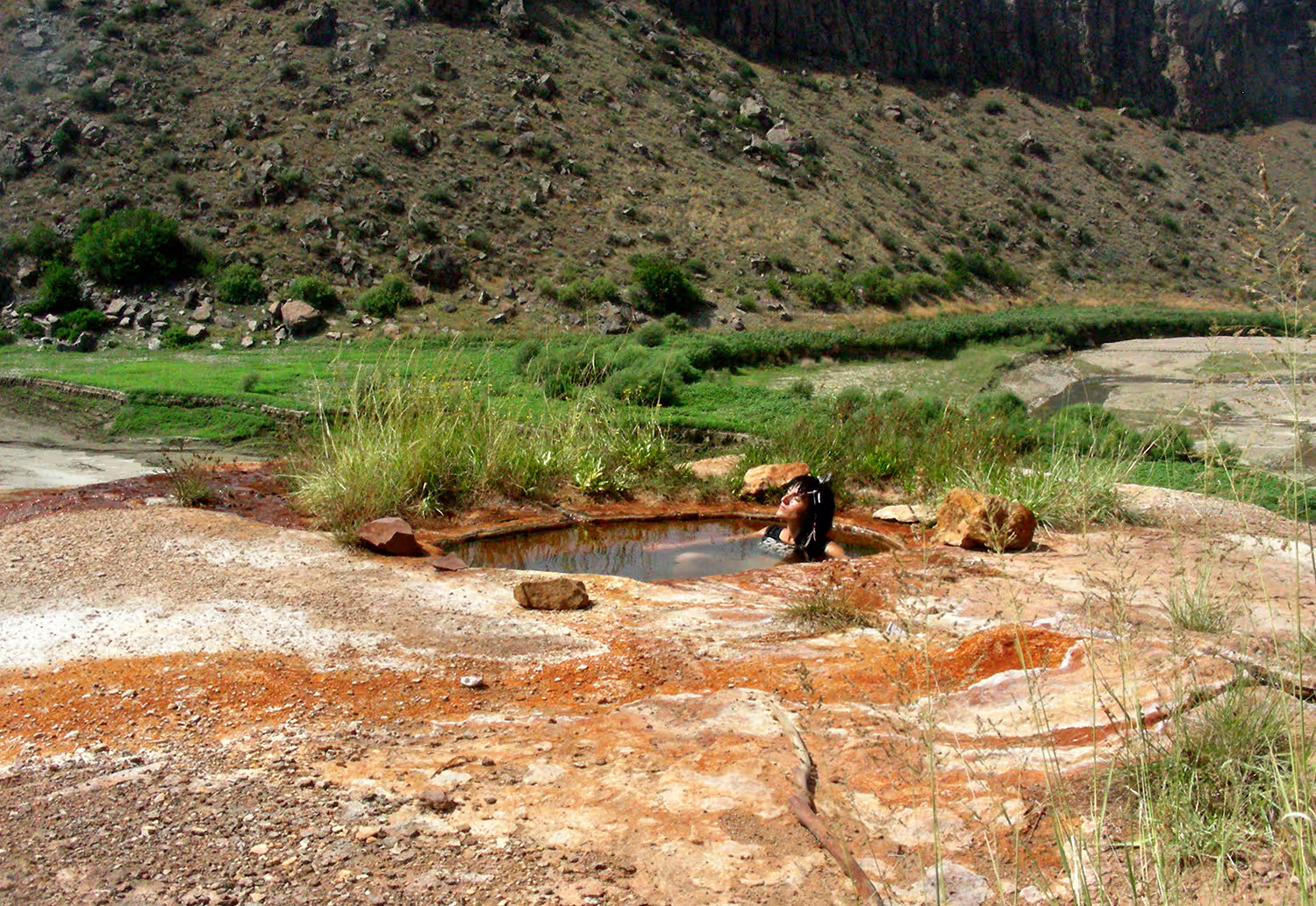
We reached the spring. A stone basin had been built to collect the mineral water before it flowed down the slope. The first thing I did was stick my whole head into the basin, drinking that sour, delicious water. We relaxed and completely submerged ourselves. After trekking so much in the July heat, that mineral spring had a life-giving effect. Your body and soul just find absolute peace.
Soon we were back on the trail. We wanted to reach the colorful Yeranos mountains because my companion wanted to create a mandala using the colored sand. We hiked down into the gorge and ended up waist-deep in mud-the water level of the reservoir had dropped, leaving thick sludge behind. We somehow crossed the river again and started climbing the mountain. We finally reached a spot and sat down to rest; it was a really tough, steep, sandy ascent.
I was just getting ready to finally relax when I realized my camera had fallen out somewhere on the trail. We had to hike all the way back down, this time without our backpacks. We walked almost the entire way back, searching the area, and just as we were hopelessly nearing the summit again, we saw that it had dropped right near the top! This time, doubly exhausted, we collapsed on the summit, rested for a bit, and started walking along the peaks toward the reservoir.
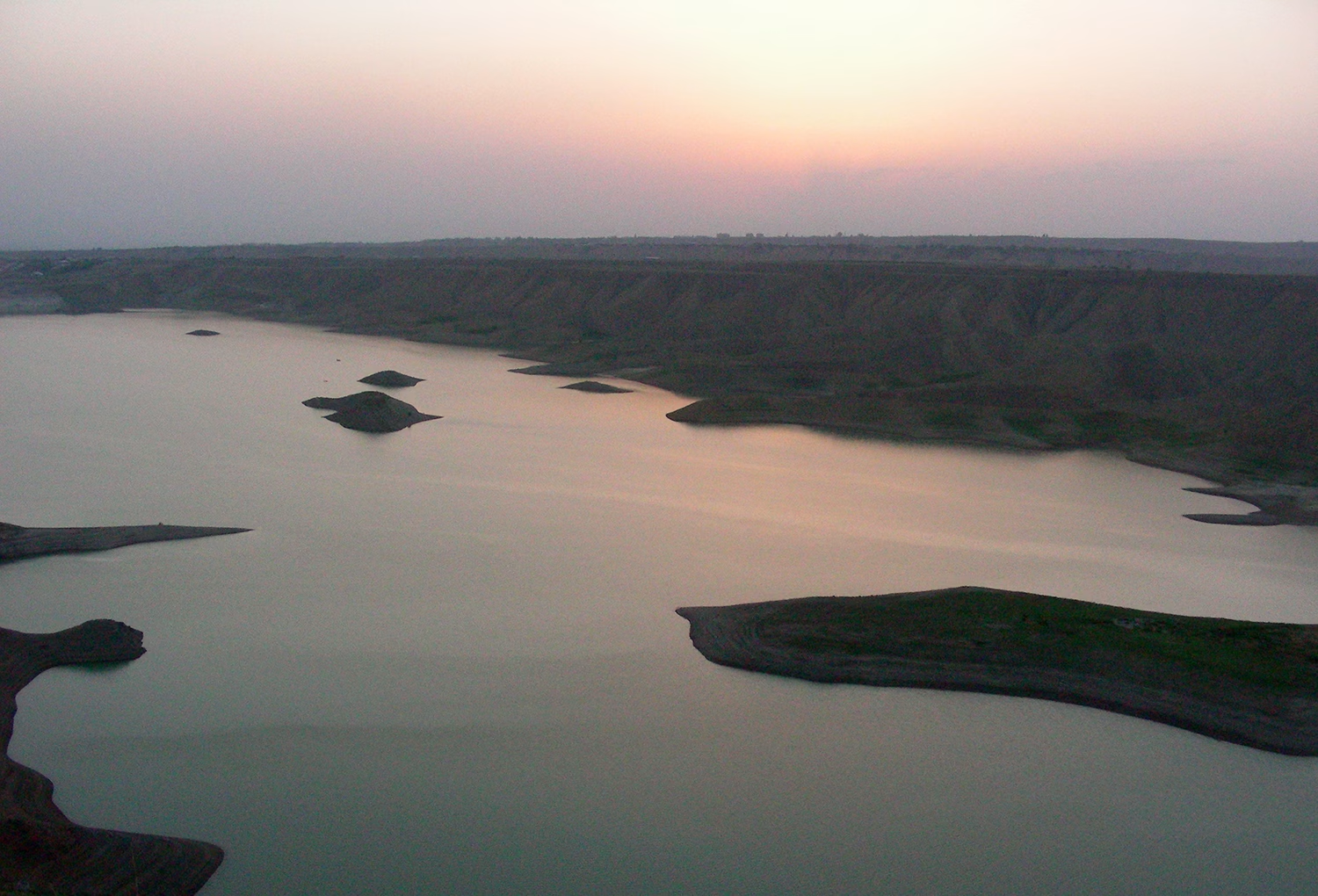
We reached the highest point of the area just as the sun was setting. The sunset over the Azat Reservoir, set against the backdrop of those surrounding colorful mountains, was breathtaking. We soaked in the view, lived in the moment, and then started looking for a place to crash. Since we had no water, we had to hike down to the water’s edge.
We built a campfire right on the shore, boiled the reservoir water, and drank it. The moon disappeared behind the mountains, and it was just us and our tiny fire in that vast space. We spent the night right on the shore, next to the campfire, with just our sleeping bags. Night four passed without a hitch.
In the morning, we jumped into the water to freshen up. Even though the bottom is super muddy there and the water is pretty murky, it was better than nothing. We ate the tiny bit of food we had left, grabbed some water, and found the hills with multi-colored sand right next to the reservoir. We started the process of making the mandala my companion had envisioned. We worked really hard because he wanted a huge design, and since it was just the two of us, we couldn’t finish all of it, but the creative process itself was wonderful.
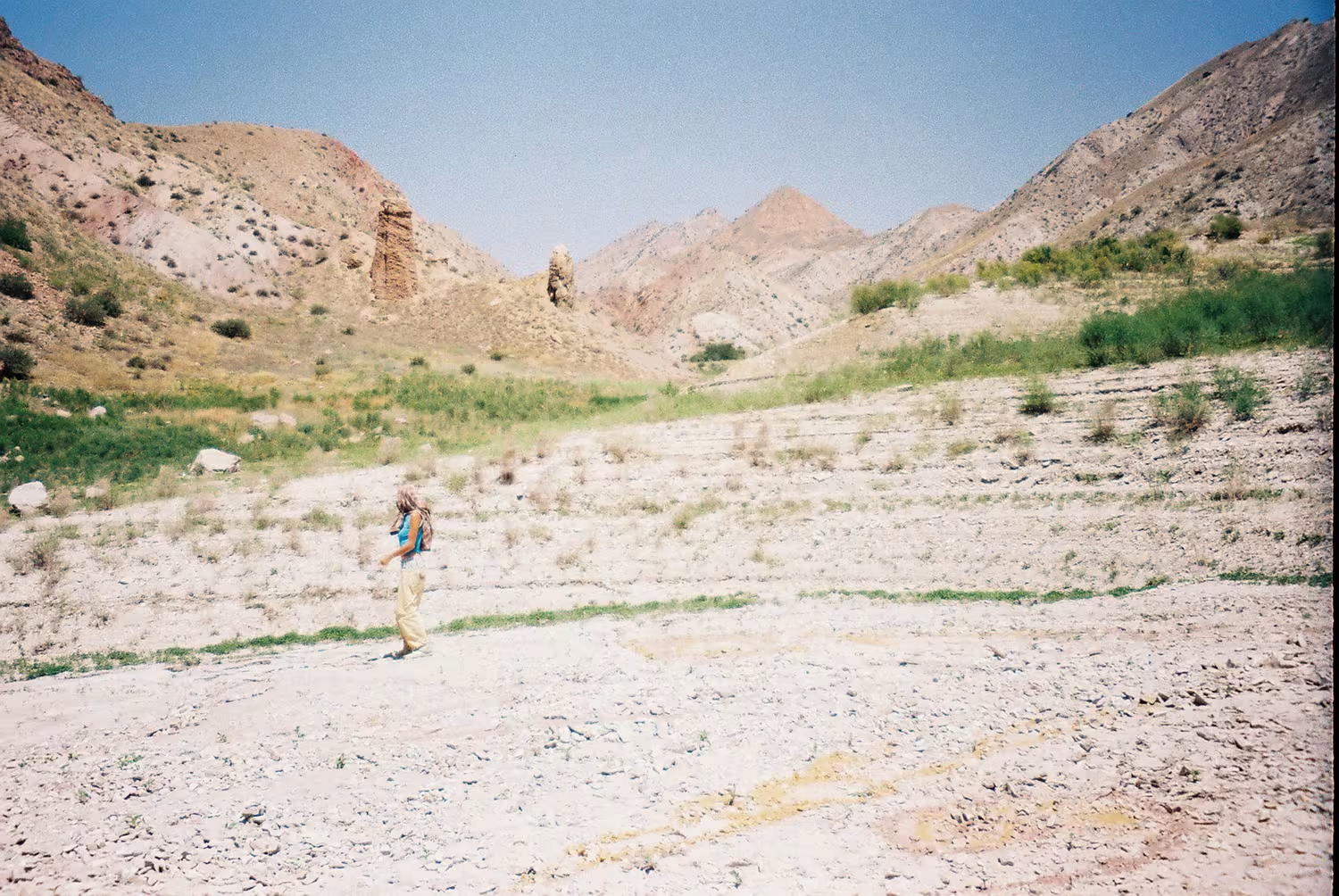
Next, we started walking towards the nearest village to buy food and head towards Dvin.
It was so hot, it felt like we were trekking through a desert. There are no trees in that area, the sun is just scorching, and you’re surrounded entirely by sandy cliffs. The tiny bit of water we had left in our bottle was practically boiling. Huge backpacks on our shoulders, hungry, thirsty, and exhausted, we were walking down the road when suddenly I thought I was seeing a mirage-I saw orchards ahead, with no fences.
With our very last ounce of strength, we ran closer and stumbled right into a peach orchard. I don’t think I had ever eaten that many peaches in my entire life. With every half-ripe, slightly tart peach, I could feel my strength coming back. We stuffed our backpacks with as many peaches as would fit, and walked along the path through the orchards, feeling much more energized, until we reached the village of Getazat.
We bought some food from the village store and were eating right next to it when a local man approached us. He offered to let us rest at his house and showed us his father’s museum. We happily accepted the invitation. This “museum” was actually a room next to his house filled with wooden sculptures carved by his father. There was life and a story in every single carving. They didn’t sell them; it was enough for them just to have people see and appreciate the art. We chatted for a bit with this incredibly hospitable man and his father, and right at sunset, he drove us to the ruins of Dvin.
It turned out that the caretaker of the ruins had built a house right on the grounds a long time ago, and his family had been living there for generations. We decided to just roll out our sleeping bags and sleep right in the ruins. Before going to bed, we were eating watermelon with them when a relative came by. In the middle of the conversation, he casually mentioned that a meteorite had crashed into his brother’s garden a month ago! The impact had knocked his brother unconscious, left a crater, and scorched the grass.
Naturally, we were a bit skeptical, but then he offered to drive us to his house, show it to us, and bring us back. We obviously couldn’t pass up an opportunity like that. When we saw the stone-about the size of a fist, shaped almost like a face, and not feeling entirely like a normal rock-we got this really strange sensation.
It was fascinating to hold something in your hand that had likely traveled an unimaginably long way to reach us and held such an epic history. The man mentioned they wanted to sell it, but he was very cautious and scared. He also told us that after touching the stone, he accidentally touched his mouth, and it started burning. It was a very bizarre object.
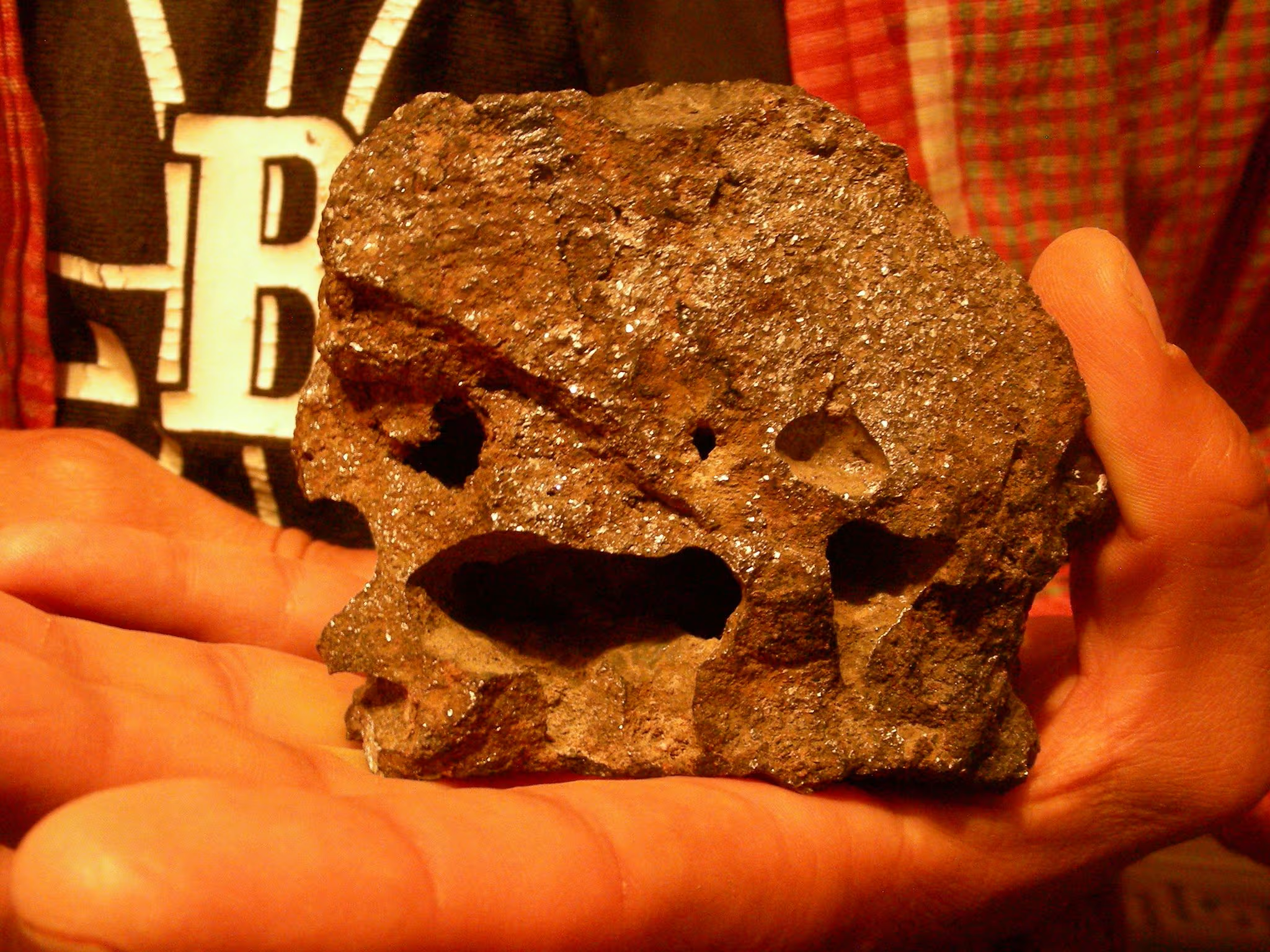
With these out-of-this-world feelings, we lay down to sleep in the ruins of our ancient king’s fortress. Day five came to a close.
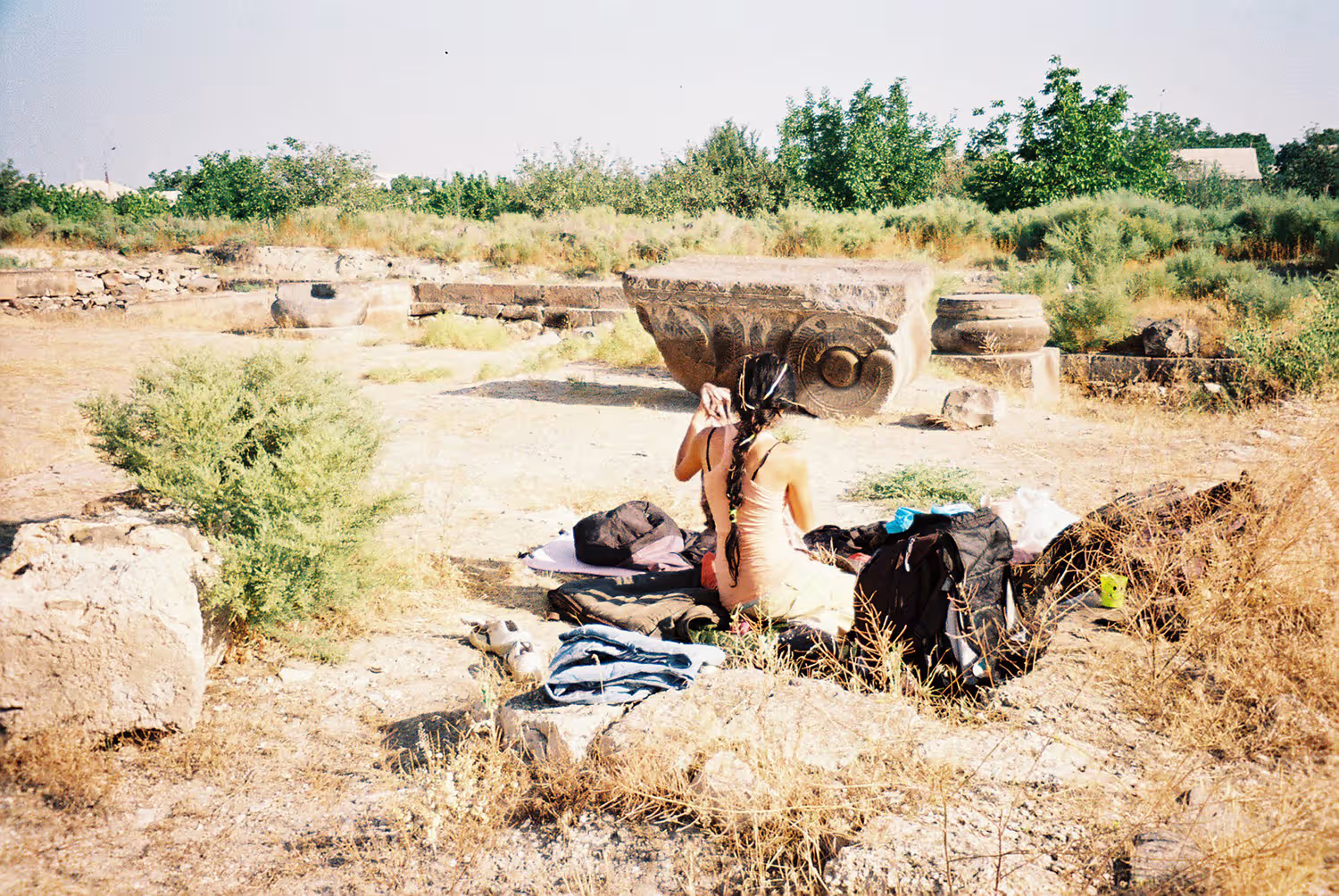
On the morning of the sixth day, we hit the road toward Syunik to see Zorats Karer.
Before reaching Ararat, we managed to catch a ride with a massive cargo truck, and it took us almost all the way there. We walked the rest of the way, and suddenly, this vast field opened up before us, displaying a perfectly preserved piece of our ancient culture. People are still debating what this site actually was (some say an observatory, others say a burial ground), but one thing is clear: it’s incredibly old and absolutely mesmerizing. Massive stones stand completely upright, arranged in circles or straight lines.
After wandering through the area for a long time, we set up camp right in the field, finding a small spot shielded from the wind. It was so quiet there. Sleeping next to the witnesses of thousands of years of history gave us such a profound, mysterious feeling. The sixth night passed wrapped in this enigmatic energy.
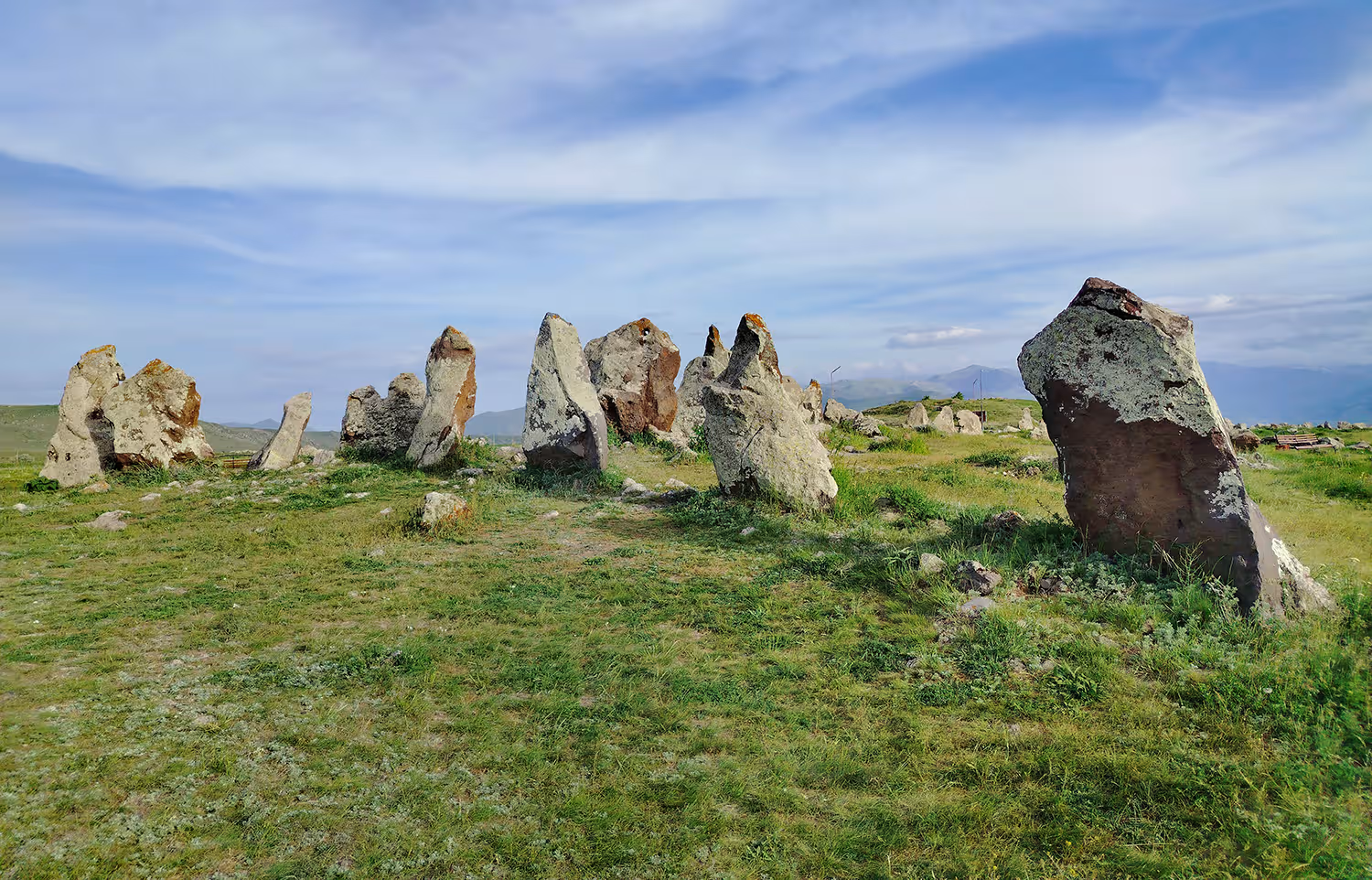
Around noon the next day, our two friends caught up with us, and we set off for Khndzoresk.
We reached the caves just as it was getting dark. We got to the swinging bridge hanging over the gorge, and in the pitch black, you couldn’t tell how long the bridge was or how deep the drop was below. We could hear the howls of jackals echoing from all different directions. You have no idea what’s waiting to greet you on the other side. With all these wild emotions rushing through us, we crossed the bridge and found ourselves in the cave “city.”
This was the site of the old village. Up until the 1950s, people actually lived in these caves, added structures to them, and even had a school here. Eventually, they moved and built the new village at the top of the gorge, leaving this area behind as Old Khndzoresk.
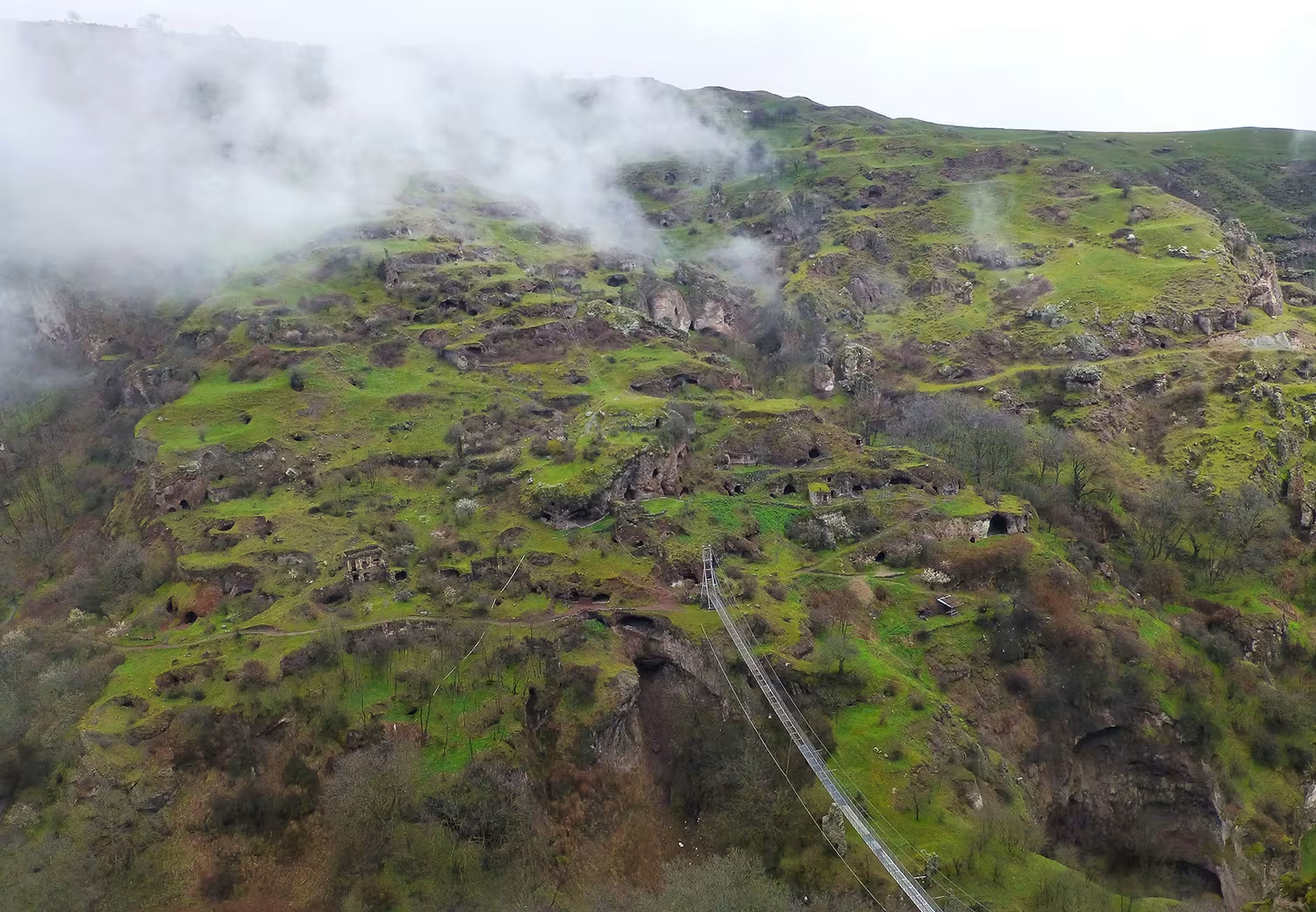
We found a cave that looked perfect for the night, built a fire, and got ready to sleep. The jackals were still going strong with their concert, so I decided to join in with a wolf howl. I guess they didn’t appreciate my talent, because they immediately ended their show! 😀 We fell asleep to the sounds of a jaw harp that our friend was playing. During the night, I sensed that one of the jackals was right outside our cave. I sat up, waiting for our “guest,” but I suppose its good manners kept it from coming inside, and it eventually wandered off.
We woke up in the morning to the sound of a daf (drum)-our other friend was playing it right in the middle of the swinging bridge, and the gorge was echoing the beats. Later, when we really saw the gorge, the caves, and just how much there was to explore, we realized one day was nowhere near enough and decided to stay another night.
Once we made that call, I went off to wander and explore the area by myself. After walking quite a bit, I climbed up onto a high rock and took a nap in the sun. Then I bathed in a spring and rejoined my friends, who were already cooking up some food. I had picked a ton of blackberries along the trail, so we enjoyed those first before having a proper meal.
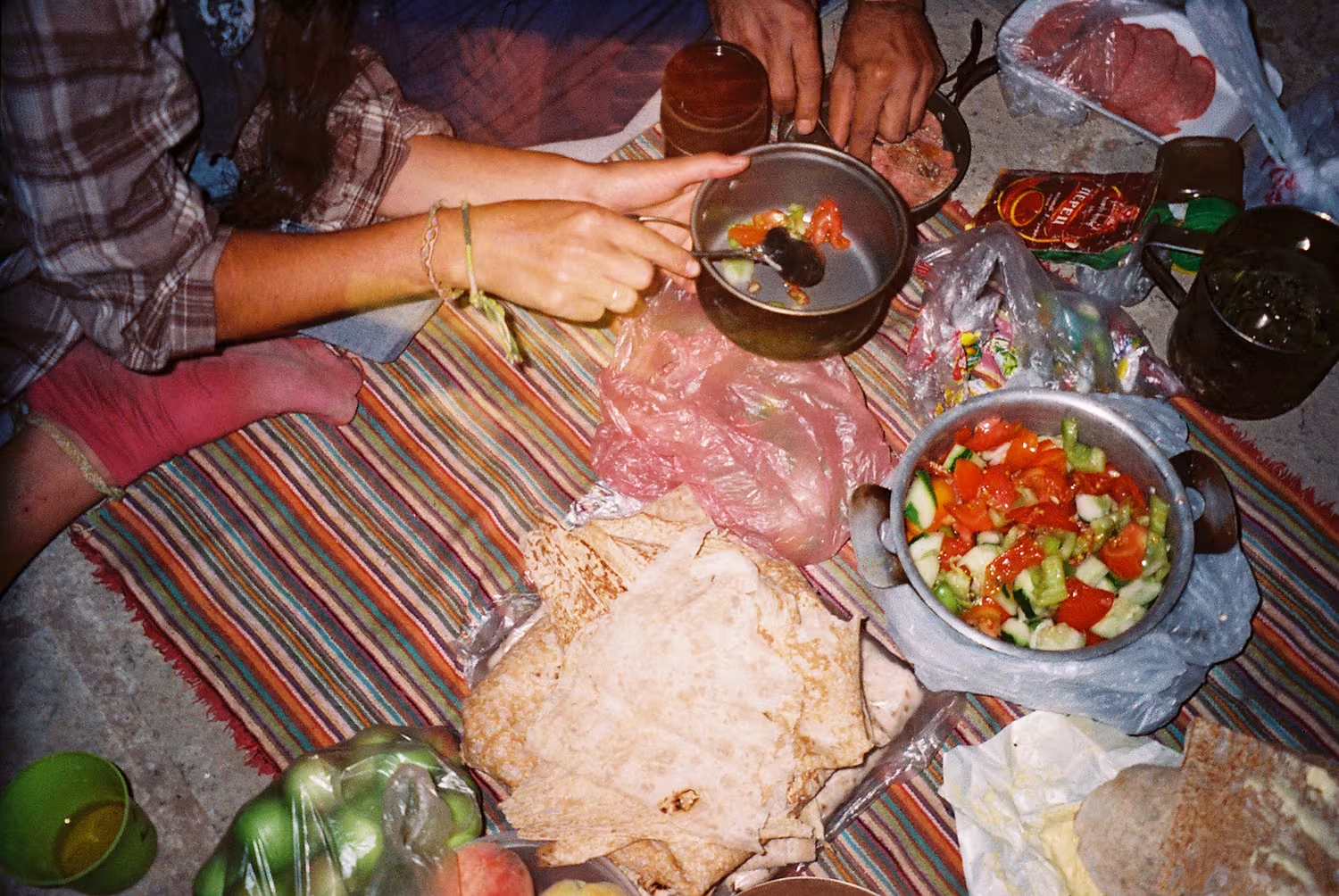
Later, we bumped into the local caretaker, Vardan. When he found out we were almost entirely out of food, he gave us plenty of food from his garden. We kept meeting such kind, hospitable people throughout the entire trip, and I am so deeply grateful for them. Our second night in Khndzoresk was spent, once again, to the soundtrack of the jackals. We had to move on the next day, but that gorge and that cave had somehow become so dear to us; we truly felt at home.
It was really hard to tear ourselves away from there. We walked through the fields to the village road and hitchhiked our way to Tatev.
The views of the Tatev monastery are just mind-blowing. Below, you can see the deep gorge, completely covered in dense forests. You just can’t get enough of that green and the layered silhouettes of the mountains. I could sit and stare at it for hours.
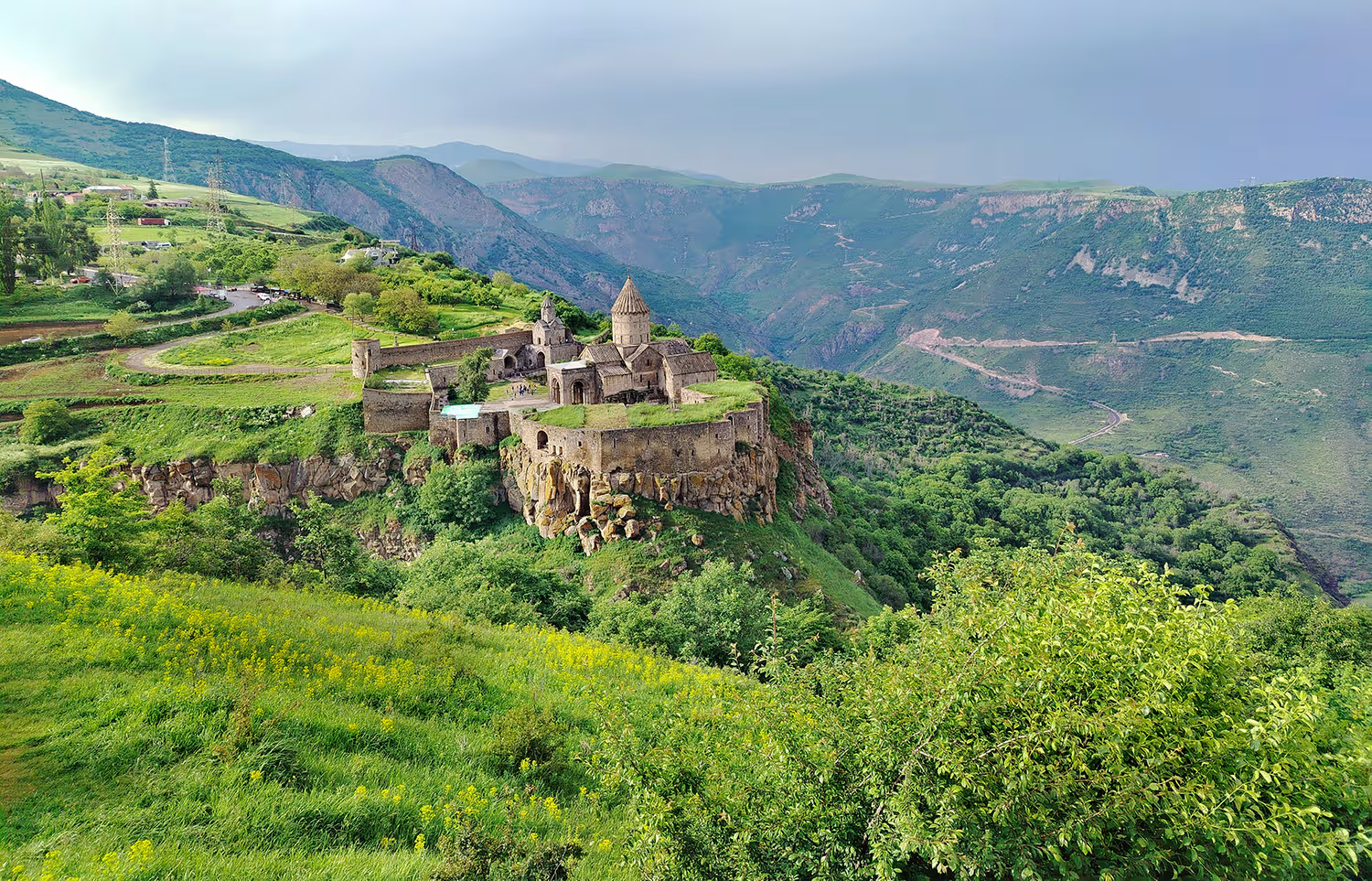
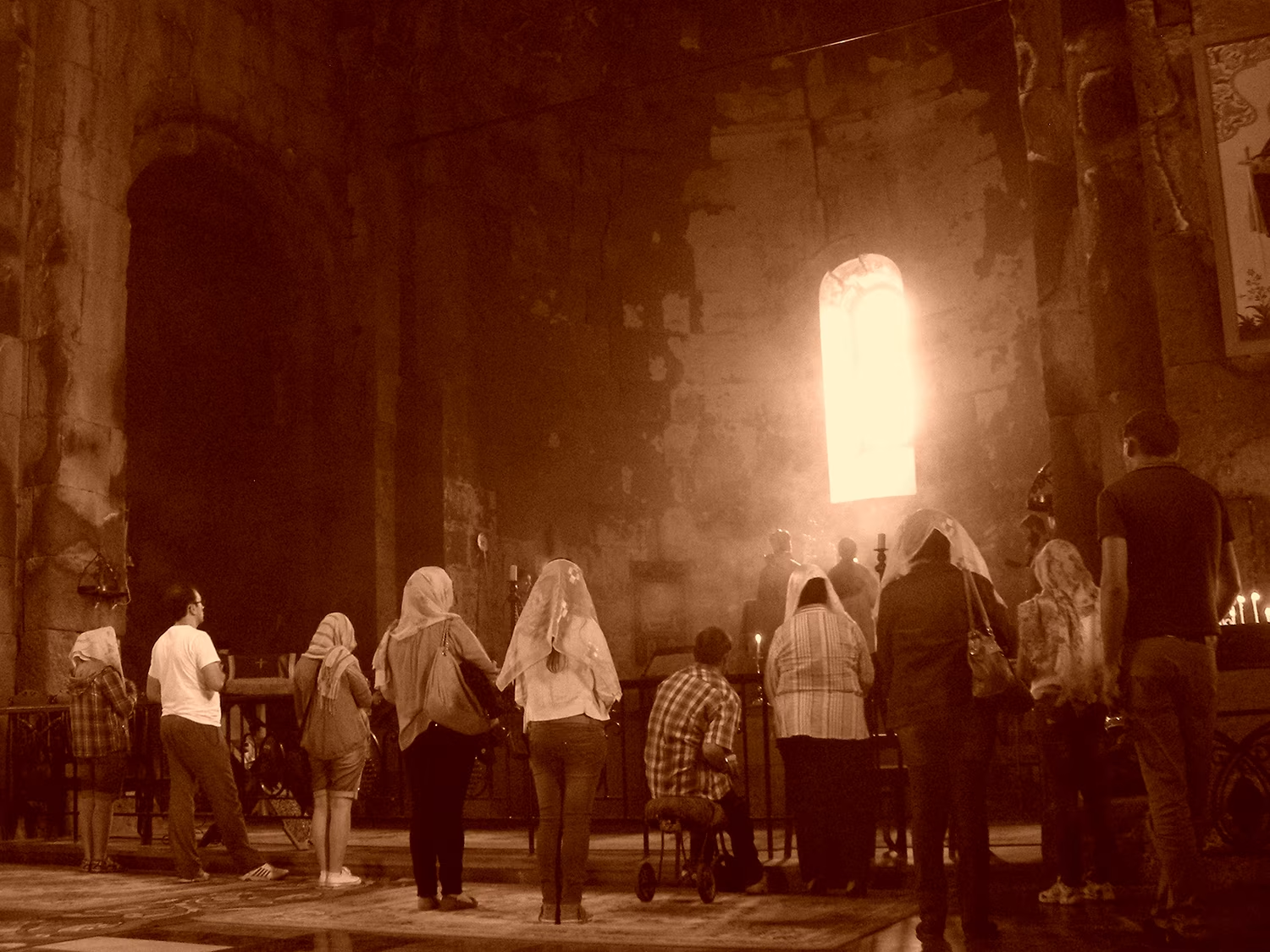
There was a service going on at Tatev. We went inside, while one of our friends decided to wait outdoors. When we came back out, he greeted us with a massive bowl of apricots-one of the monks had brought it out as a treat! Later, we met Father Mikayel and asked if we could crash somewhere for the night.
They told us we could sleep in the Dzithan (the old oil mill) building, which hadn’t been fully renovated into a museum yet at the time. Then they brought us a huge pot of food. We assured them once again that we wouldn’t touch anything in the area and, of course, would leave absolutely no trace behind. In the morning, we attended the Sunday liturgy, expressed our deep gratitude, and hit the road back to Yerevan.
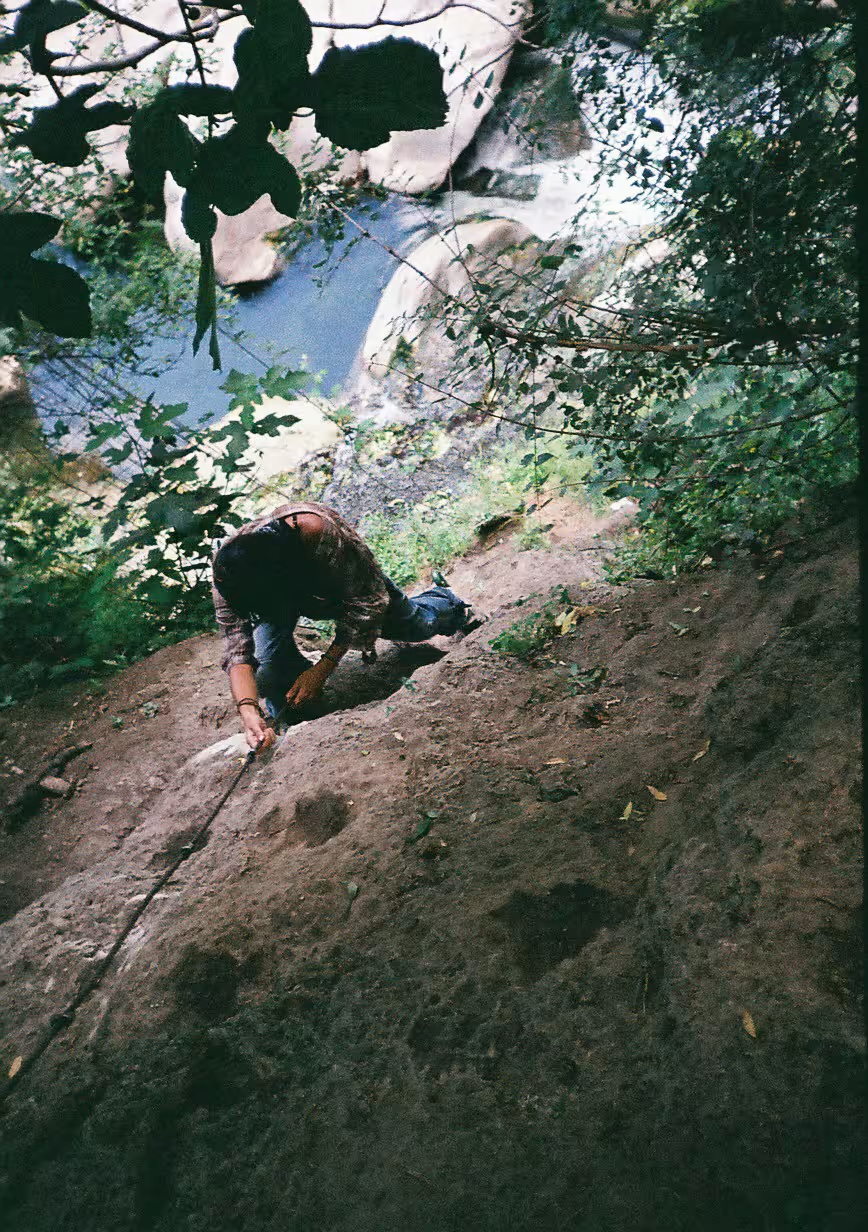
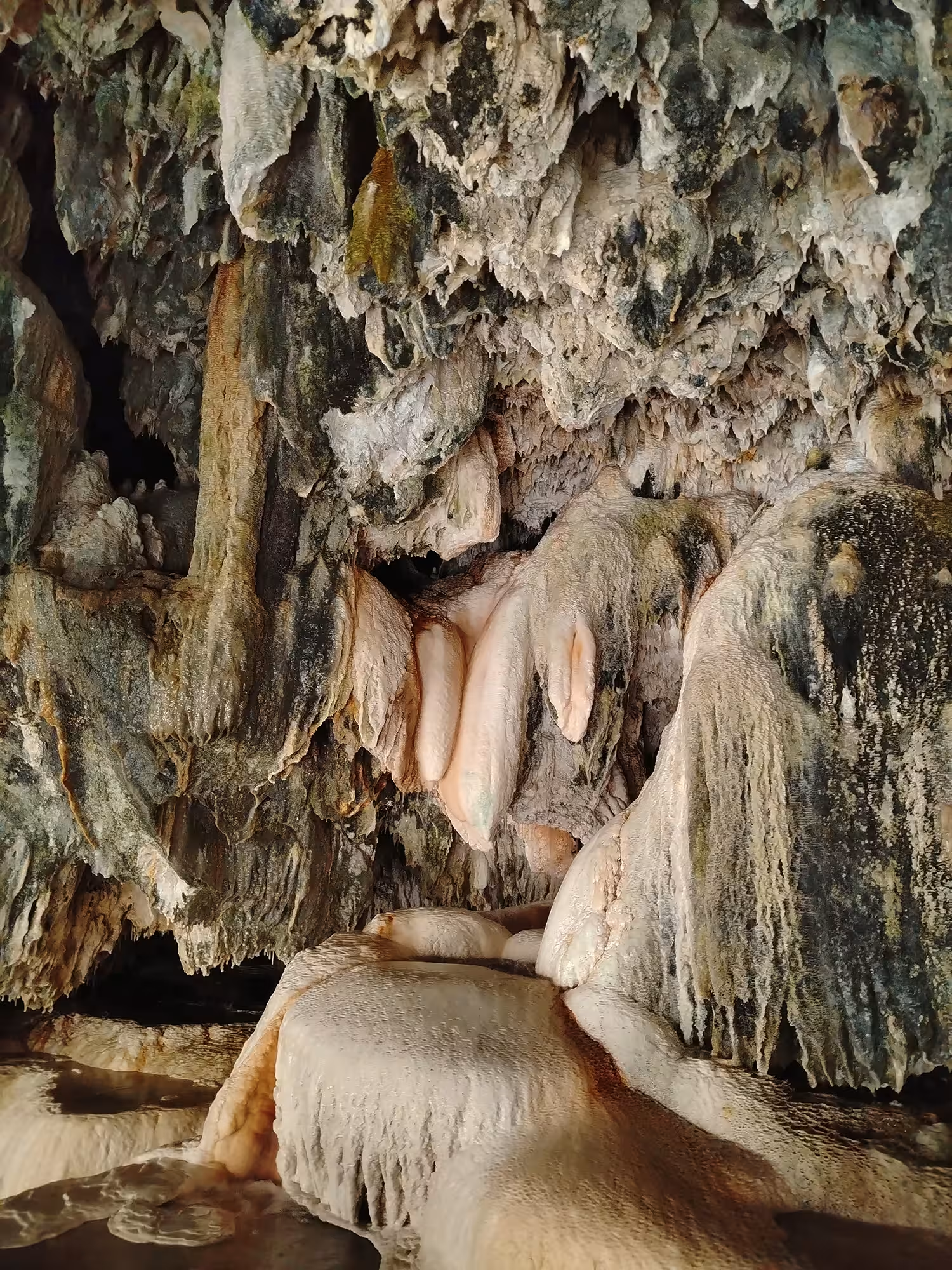
On the way from Tatev, we stopped at the Devil’s Bridge. It’s a natural bridge, and you use ropes to climb down underneath it, where this incredibly fascinating world opens up. There are natural caves with mineral water springs. The mineralized caves have these beautiful, strange patterns, and there are several tiered pools you can actually get into. The Vorotan River flows right underneath. We slipped into the pools, freshened up, and continued our journey.
We had been on the road for 10 days. We didn’t spend a single dime on transportation. Throughout it all, we met so many incredible, genuinely good people who became such a crucial part of this journey.
For 10 days and 9 nights, we lived as close to nature and our culture as humanly possible. During those days, I witnessed our millennia-old culture that left my foreign friends in absolute awe.
I also felt a much deeper sense of responsibility toward my nature and my culture, because when you enjoy something, you also have to protect it. I believe it’s just a very short step from being a nature lover to becoming an environmentalist. A person takes that step the moment they realize they could lose what they love and hold dear. And the absolute best way to love your homeland is to truly know it. During those 10 days, I got to know it a little better, grew much more attached to it, and became much more responsible for it.
That is what this short, but deeply beautiful journey through Armenia gave me.
Ready for an Adventure?
Join our group of explorers and see Armenia from a different perspective. Custom dates and private tours are also available.